PITTI AND BOBOLI GARDENS
A BIT OF HISTORY
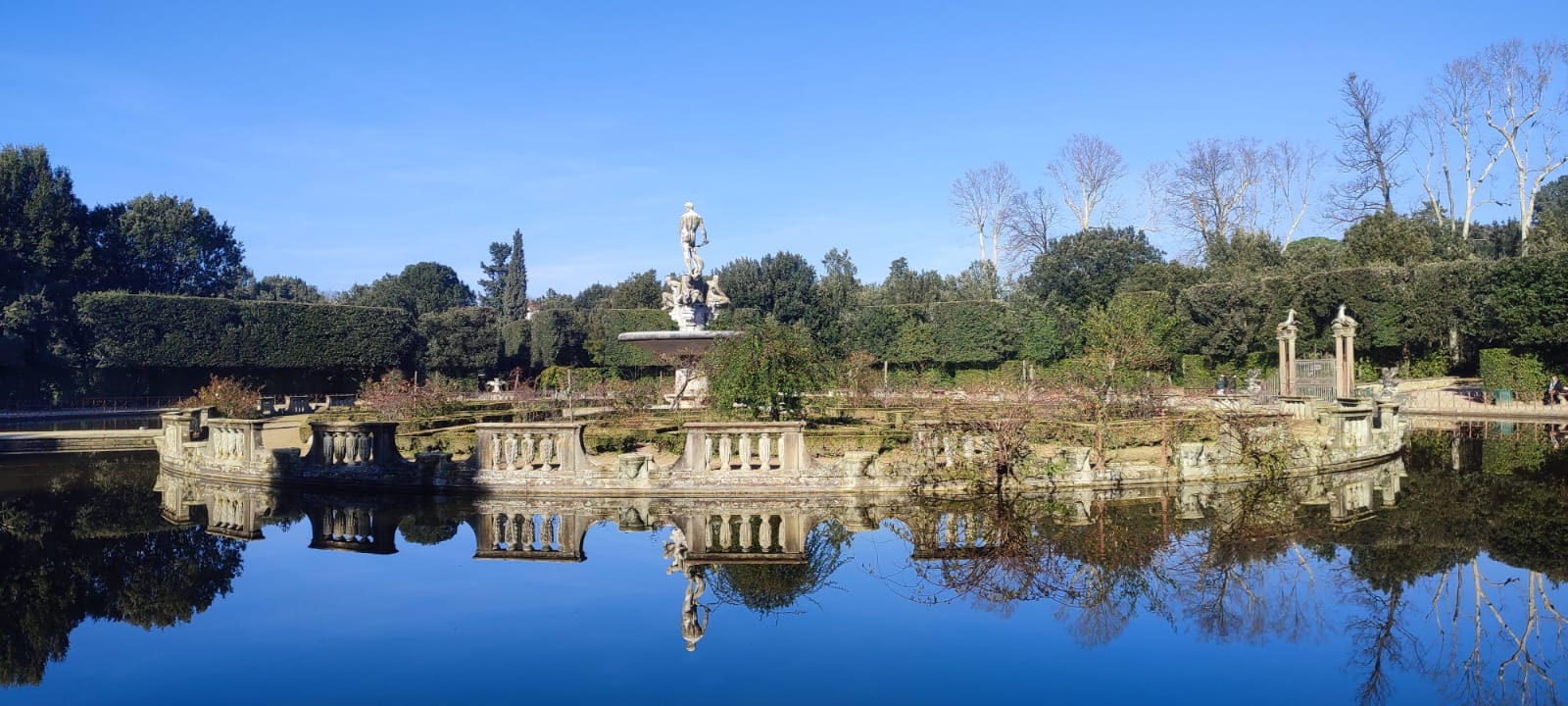
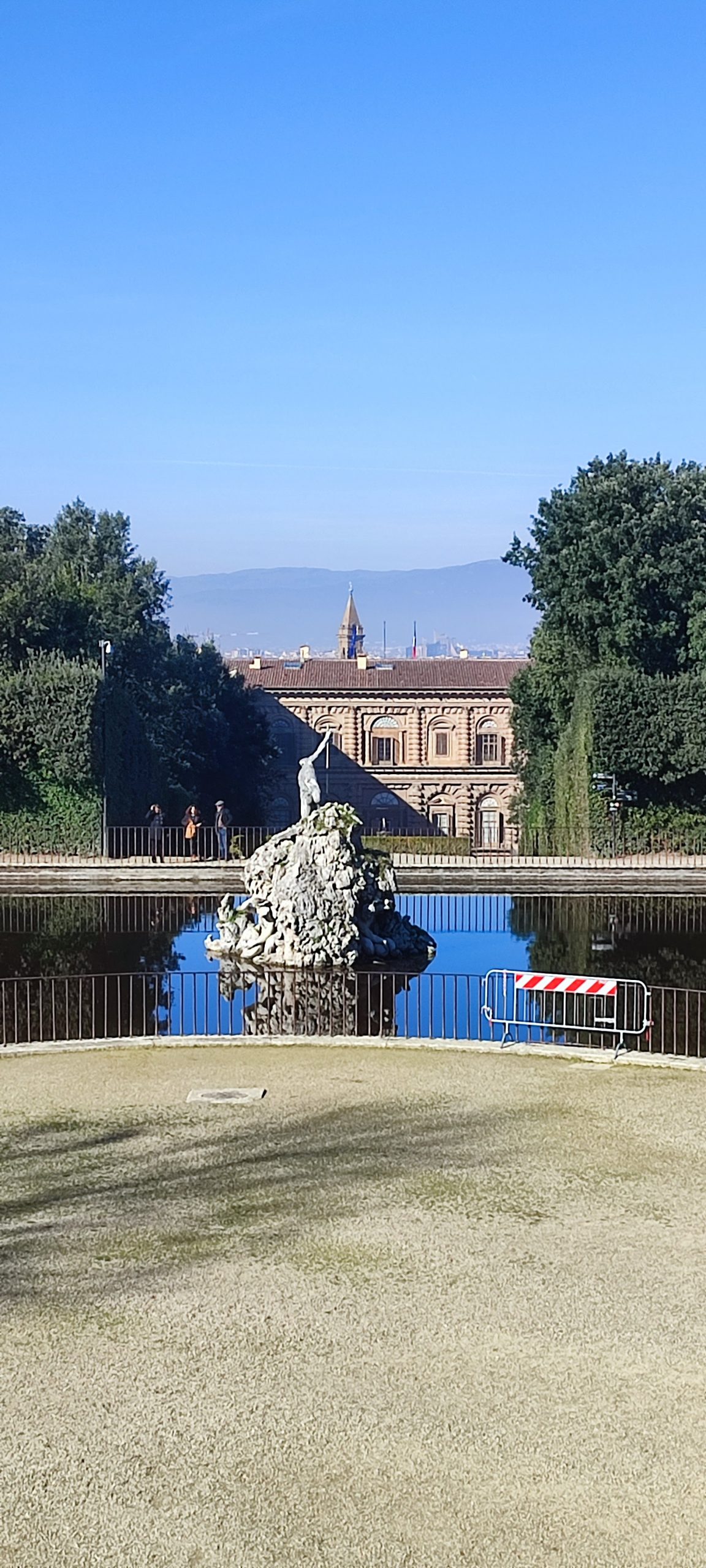
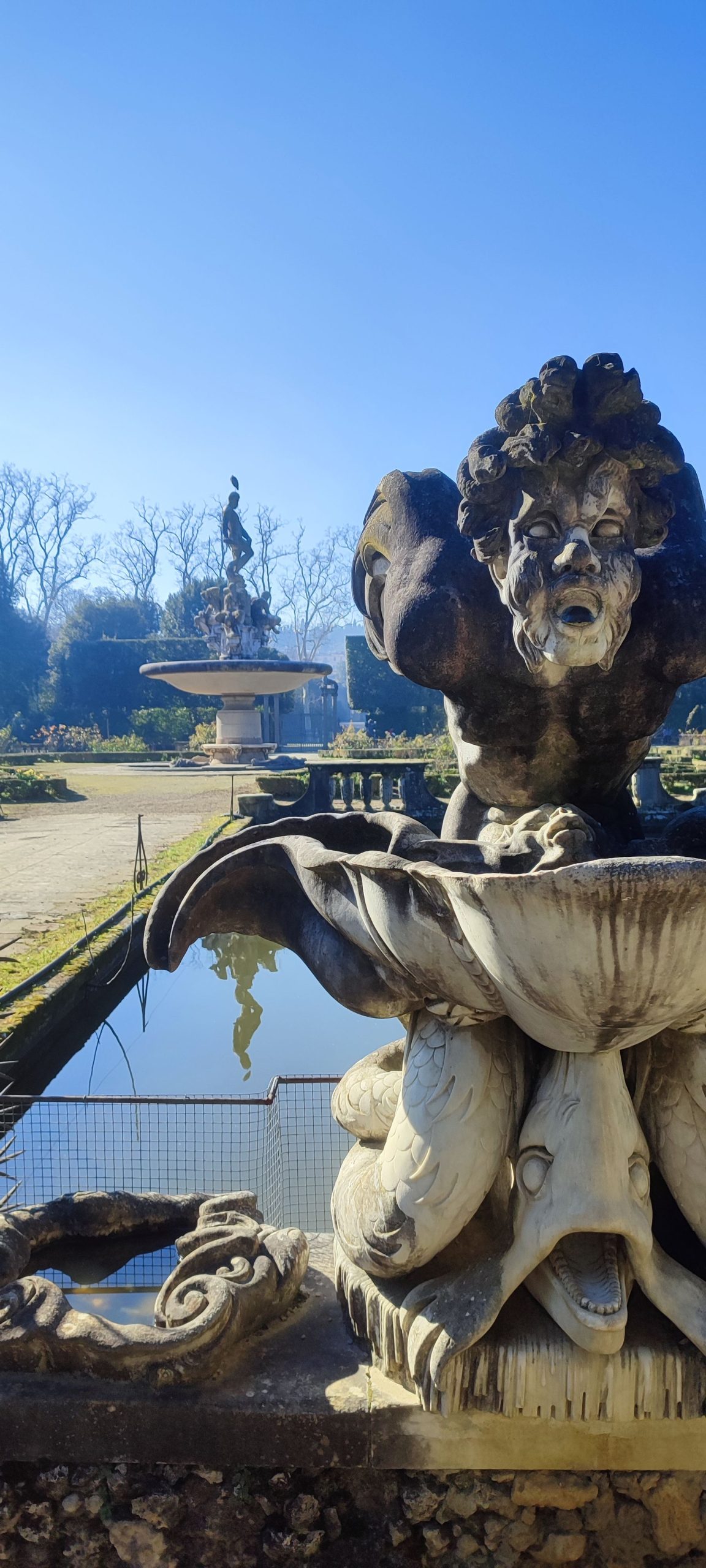
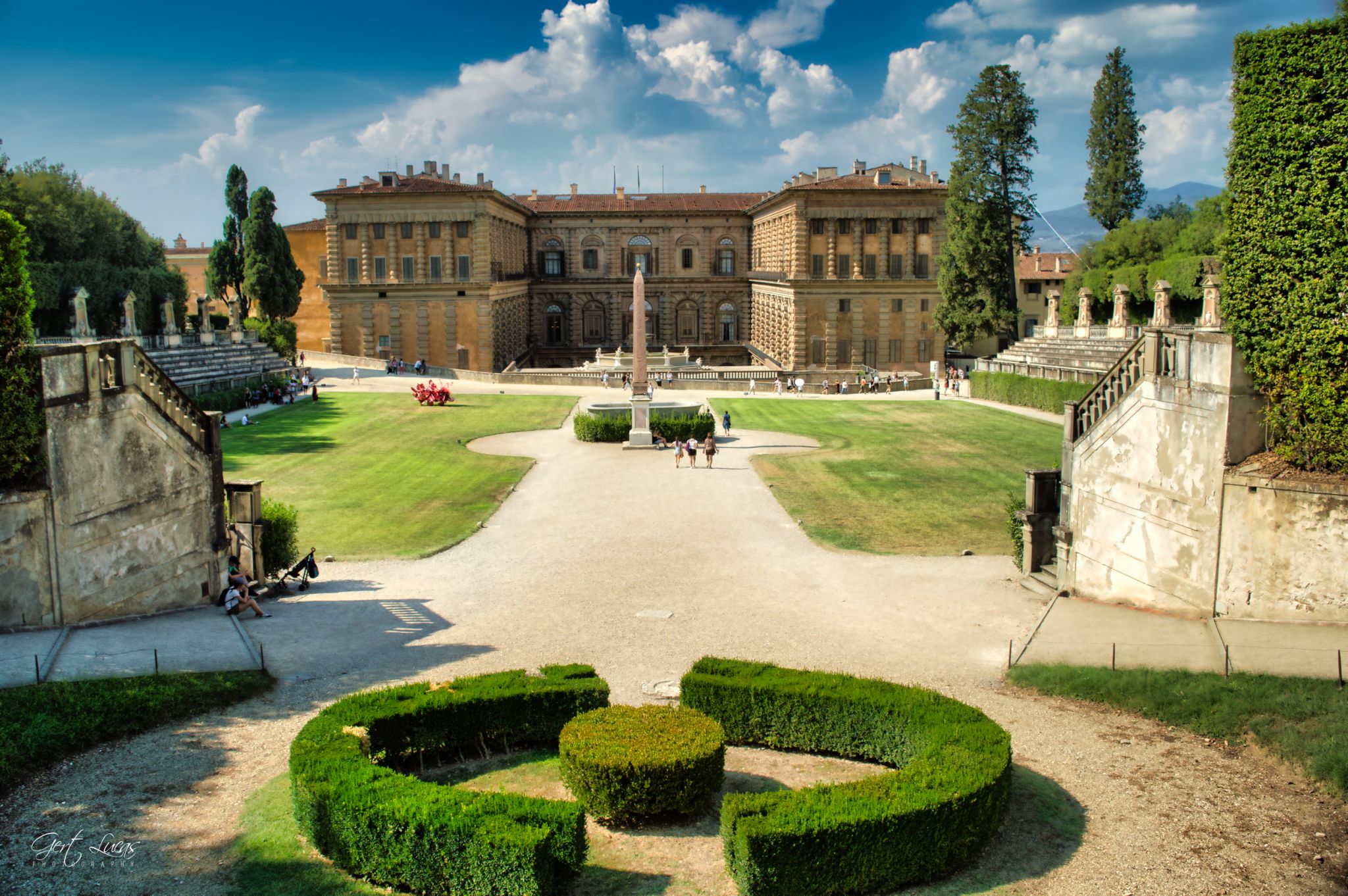
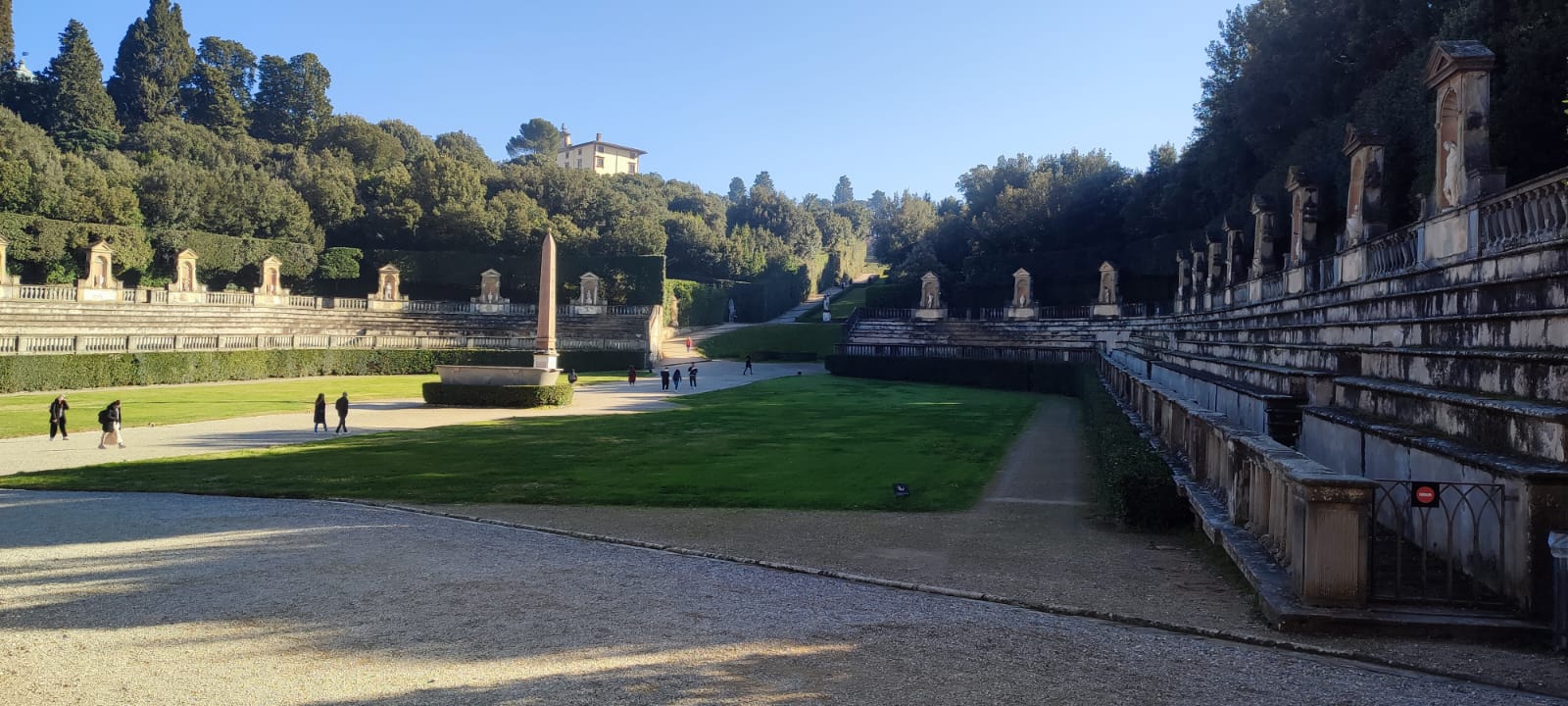
The palace was built in the second half of the 15th century probably on a project of Filippo Brunelleschi for Luca Pitti, but was unfinished at his death in 1472. The original building, formed by two floors and the ground floors, with only five windows on each tloor, was purchased in 1550 by Eleonora da Toledo, the wife of the Grand Duke Cosimo I de’Medici, thus becoming the official residence of the family. For this reason it was widened and changed, to the point to give the facade its present day aspect, with the only exception of the two lateral projecting pavilions that were built in the age of the Lorraine family. Most of the internal decoration was also executed during the 17th century, amont the others, by Giovanni da San Giovanni and Pietro da Cortona. This residence becqme the home of several components of the family who were distributed in different private apartments. The Boboli Gardens were laid out for Eleonora di Toledo, the wife of Cosimo I de’ Medici and represents one of the first and most important examples of the italian garden, which later served as inspiration for many European courts. The design of italian gardens followed strict geometric principles, with a main axis leading from the villa’s entrance, intersected by secondary pathways, to form a distinctive orthogonal pattern. The primary axis, centered on the rear façade of the palace, rises on Boboli Hill from a deep amphitheater. At the center of the amphitheater is the Ancient Egyptian obelisk, brought from the Villa Medici at Rome. The secondary axis led up through a series of terraces and water features. Statues of various styles and periods, ancient and Renaissance, can be seen all over the garden. It also has large fountains and artificial caves, notably a grotto. They were enlarged in the 17th century to their present extent of The Boboli Gardens extends for 450,000 meters² (111 acres) and have come to form an outdoor museum of garden sculpture that includes Roman antiquities as well as 16th and 17th century works.
WHAT TO EXPECT
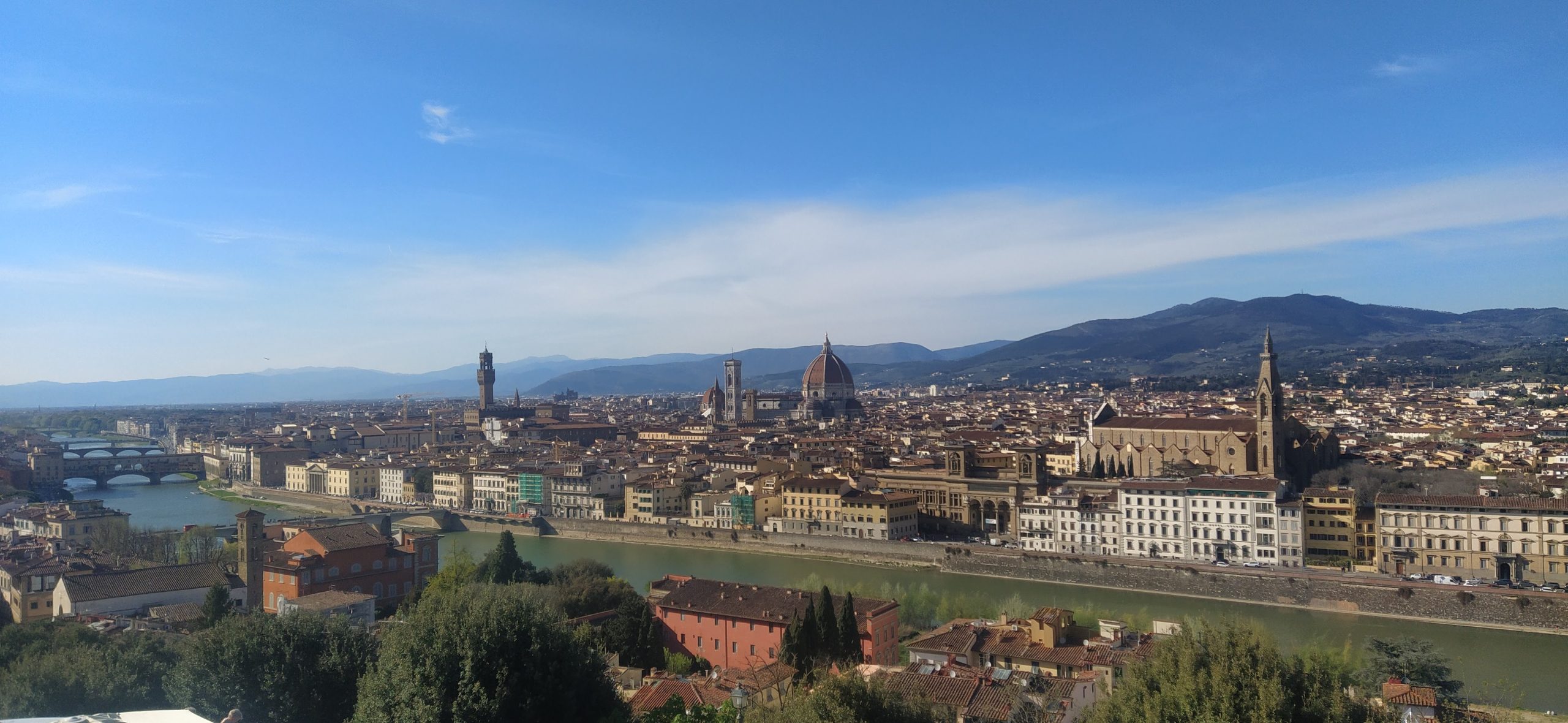
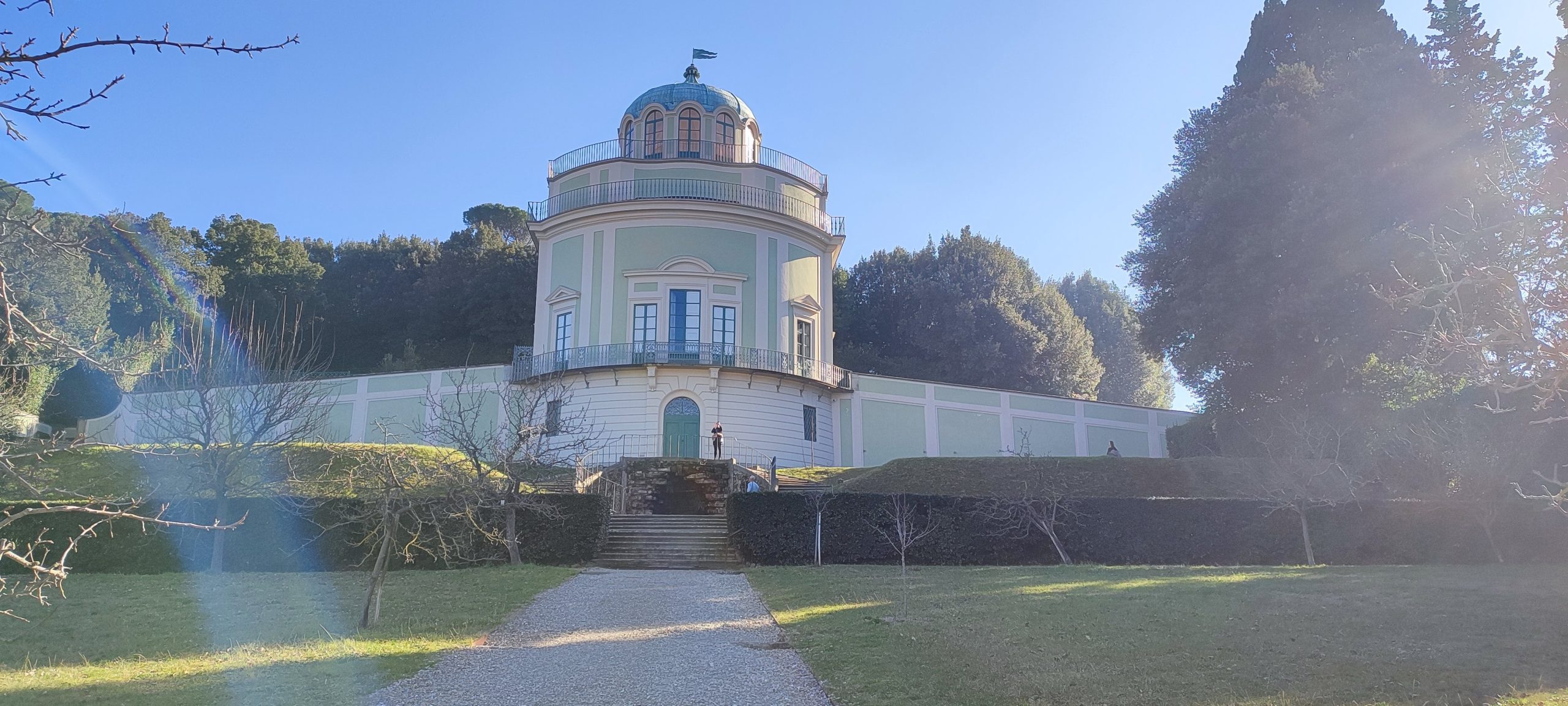
A visit to the Palatine Gallery and the Boboli Gardens is like stepping into the heart of Florence’s opulent past, where art, architecture, and nature come together to offer an unforgettable experience. Both of these sites are nestled within the grand Palazzo Pitti, a magnificent palace that once housed the powerful Medici family, and they offer a fascinating glimpse into the world of Renaissance and Baroque art, as well as the Medici’s love for beauty in nature.The journey begins in the Palatine Gallery, located within the sumptuous walls of Palazzo Pitti. As you enter, you are transported into a world of aristocratic splendor. The gallery is a true treasure trove of Italian and European art, with an incredible collection of paintings from the 16th and 17th centuries. The Palatine Gallery was once the private residence of the Medici rulers, and it retains the grandeur and intimacy of their royal living spaces. The rooms are lined with over 500 masterpieces by some of the most celebrated artists of the Renaissance and Baroque periods, like like Raphael (including Madonna of the Chair and La Donna Velata), Titian (Portrait of a Gentleman, Magdalene), Caravaggio (Sleeping Cupid), and Rubens (The Four Philosophers and the consequences of the war), displayed within the opulent staterooms of Palazzo Pitti that once housed the Medici, Habsburg-Lorraine, and House of Savoy families. Key artistic highlights include Pietro da Cortona’s planetary frescoes, a collection of round paintings (tondi), and lavish furnishings like tables with precious stone inlays. Once outside Pitti palace you will Wander through this monumental Italian garden, which features sculptures, grottos, fountains. Each corner of the Boboli Gardens reveals something new—whether it’s an unexpected sculpture, a beautifully designed grotto, or a peaceful corner that invites you to sit and reflect. The pathways meander through lush green lawns, shaded by tall trees, and lead you to sweeping vistas that offer stunning views of the city of Florence, with the Duomo and Ponte Vecchio visible in the distance. The gardens are not only a visual experience but also a sensory one, as the scent of flowers and the sound of flowing water create a tranquil atmosphere.By the time you finish your tour of the Palatine Gallery and Boboli Gardens, you’ll have experienced a beautiful fusion of art, history, and nature.
HAVE A LOOK AT OUR PHOTO GALLERY





If you want to book a tour with us, ask for further information, require any more details, please do not hesitate to contact us, we will get back to you as soon as possible. we will try to make your travel experience extraordinary.
Do you want to reach out to us? You can choose how
ONLY PRIVATE TOURS