UFFIZI GALLERY
A BIT OF HISTORY
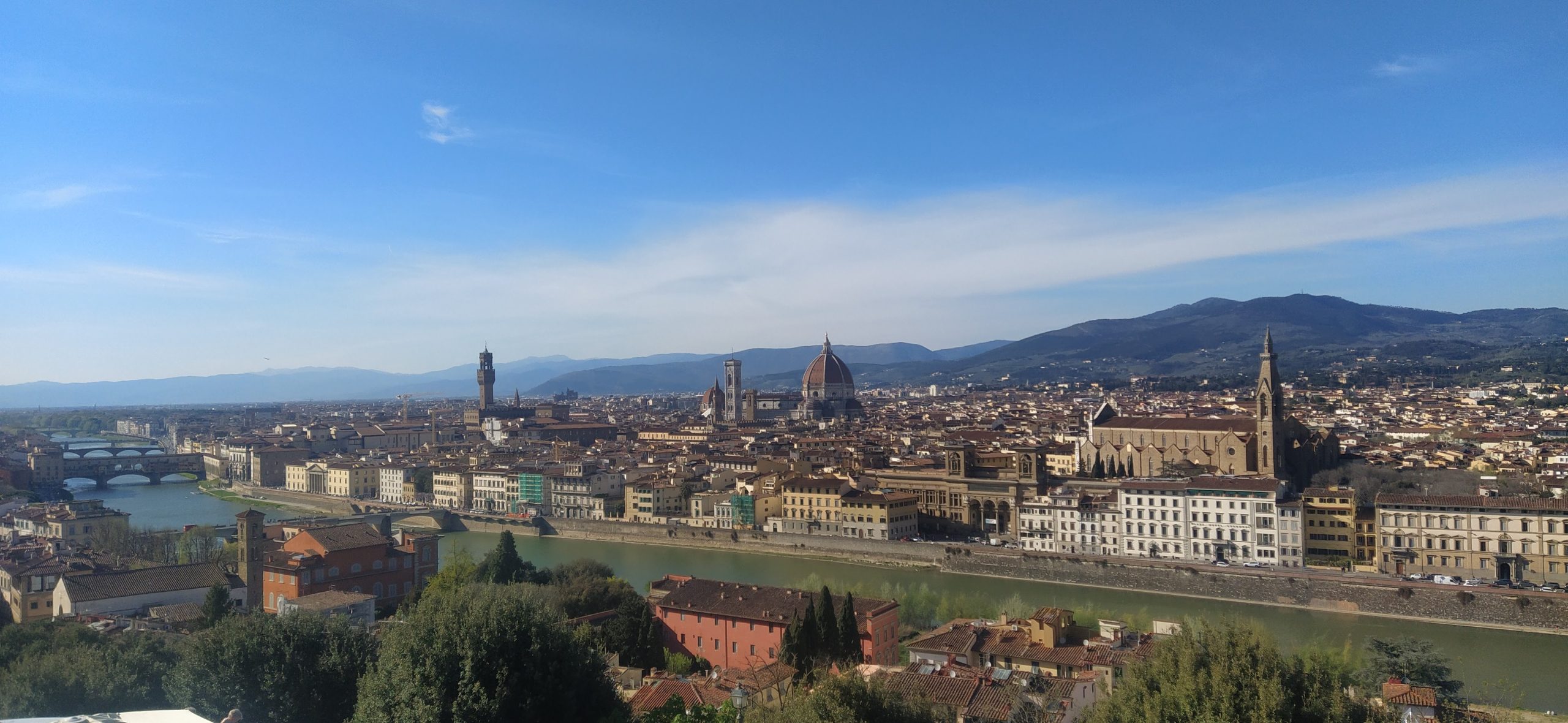
Cosimo de’ Medici had entrusted his favorite architect Giorgio Vasari to create a magnificent building right next to the old palace, the seat of power, to host the magistrates, the seats of the Florentine Guilds, a vast theatre and judiciary offices (hence the name “Uffizi” which means offices in Italian).
Vasari levelled an entire city block, called the hookers block. That area wasnt safe at all and lived by working girls. There was a church that was incorporated into the uffizi gallery and you can still see the old church’s walls on the left side of the museum.
Vasari worked also as the construction of the corridor to link the old palace to the new Medici family’s house, Pitti palace.
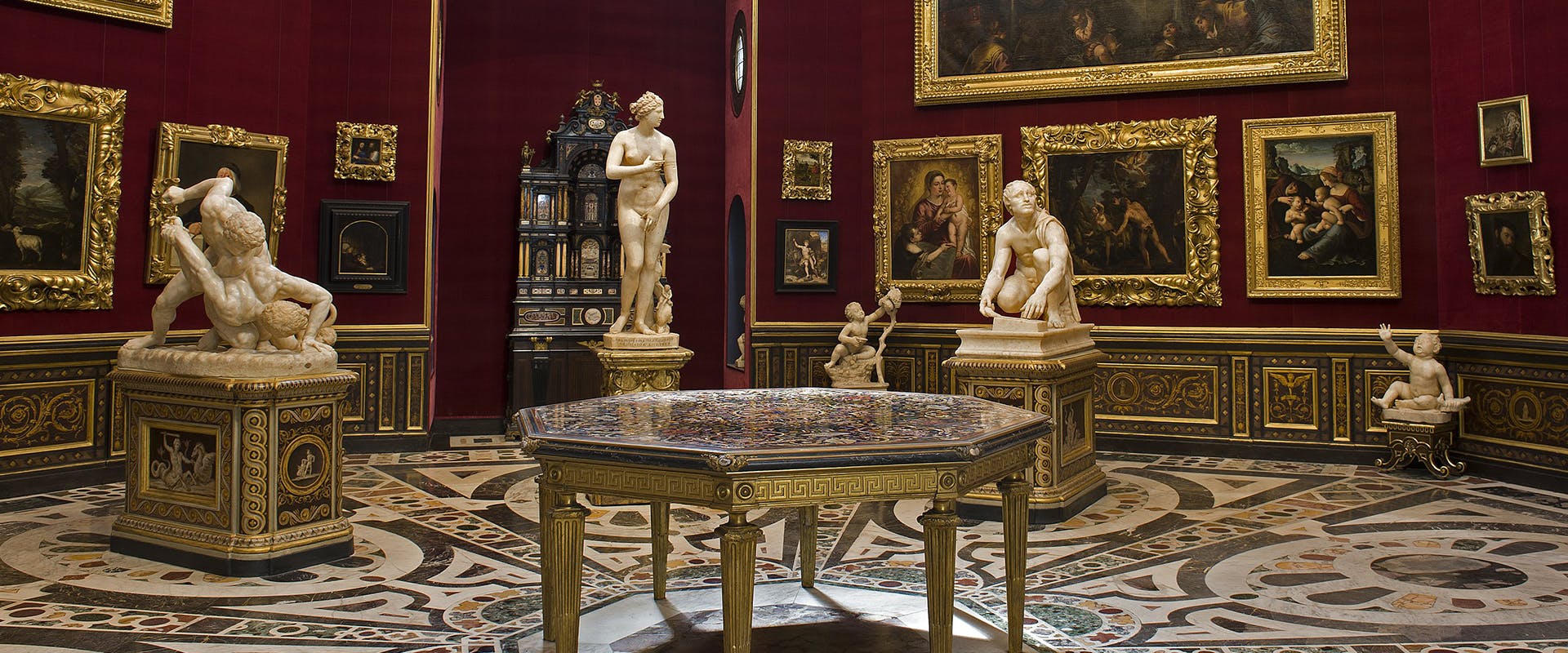
When Giorgio Vasari and Cosimo I passed away in the 1574, the plan was carried out by his son, Grand Duke Francesco I, who commissioned the architect Buontalenti amont the other things, to design the tribuna that would display a series of masterpieces in one room, including jewels. This room became a highly influential attraction of a Grand Tour. The octagonal room was completed in 1584 and was the first hall that housed paintings in the Uffizi gallery, Francesco I placed there his collection of paintings from the fifteenth century, as well as cameos, stones, jewelery, statues, bronzes, miniatures, scientific instruments, and natural rarities.
Over the years, more sections of the palace were recruited to exhibit paintings and sculpture collected or commissioned by the Medici.
Because of its huge collection, some of the Uffizi’s works have in the past been transferred to other museums in Florence (for example, some famous statues to the Bargello)
After the ruling house of Medici died out, their art collections were gifted to the city of Florence under the famous legacy negotiated by Anna Maria Luisa, the last Medici heiress.
The House of Lorraine opened the gallery to the public by request in 1769 and formally becoming a museum in 1865.
WHAT TO EXPECT
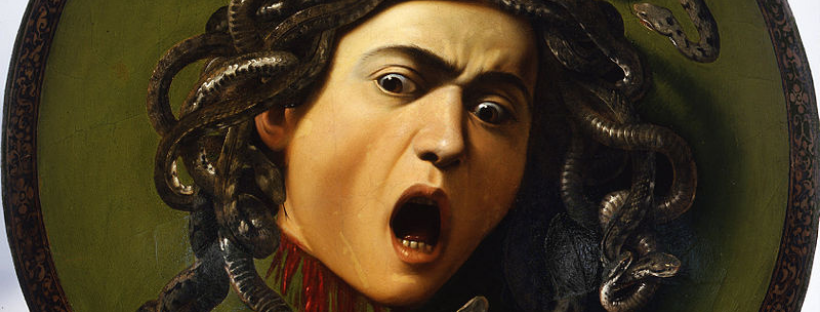
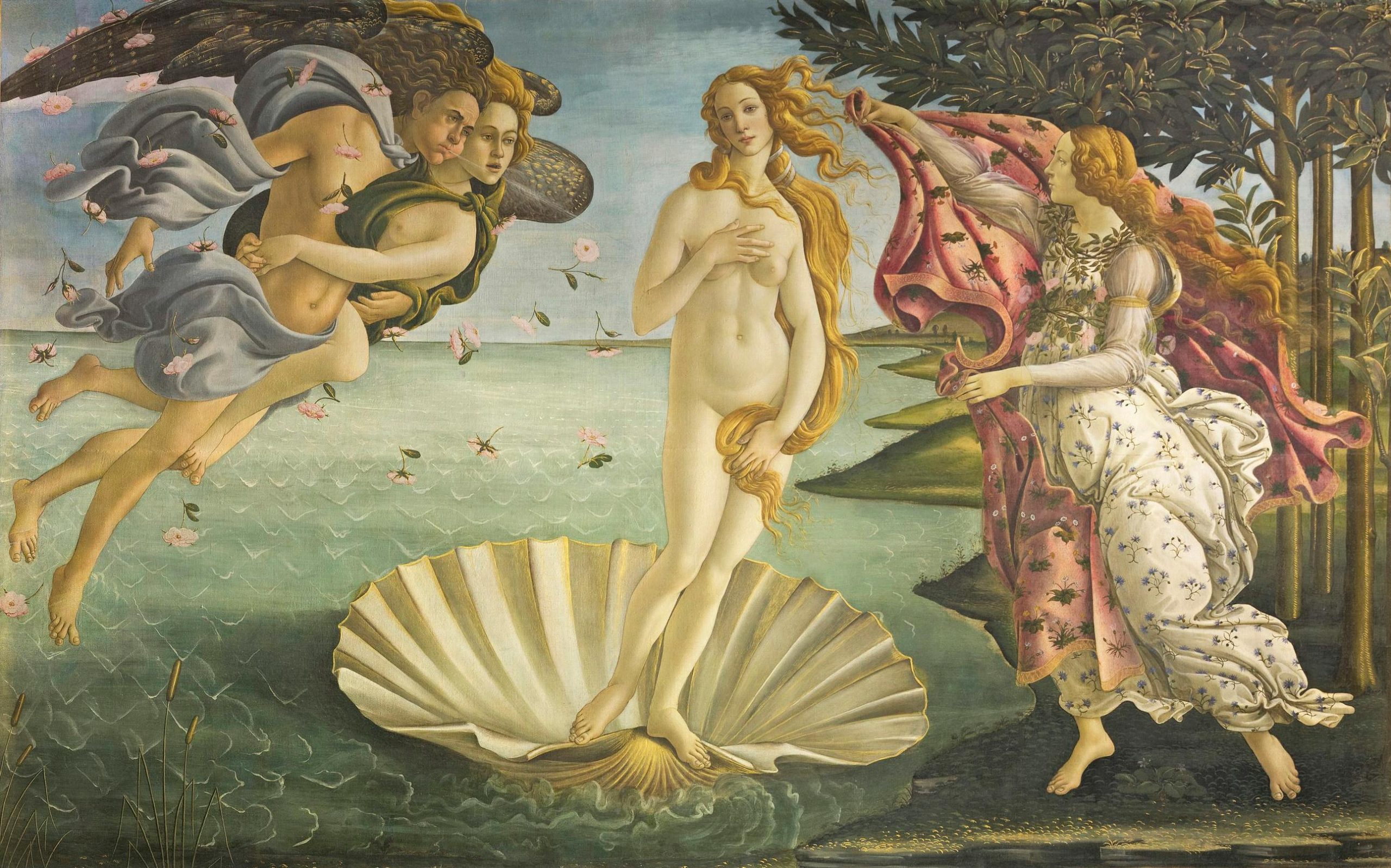
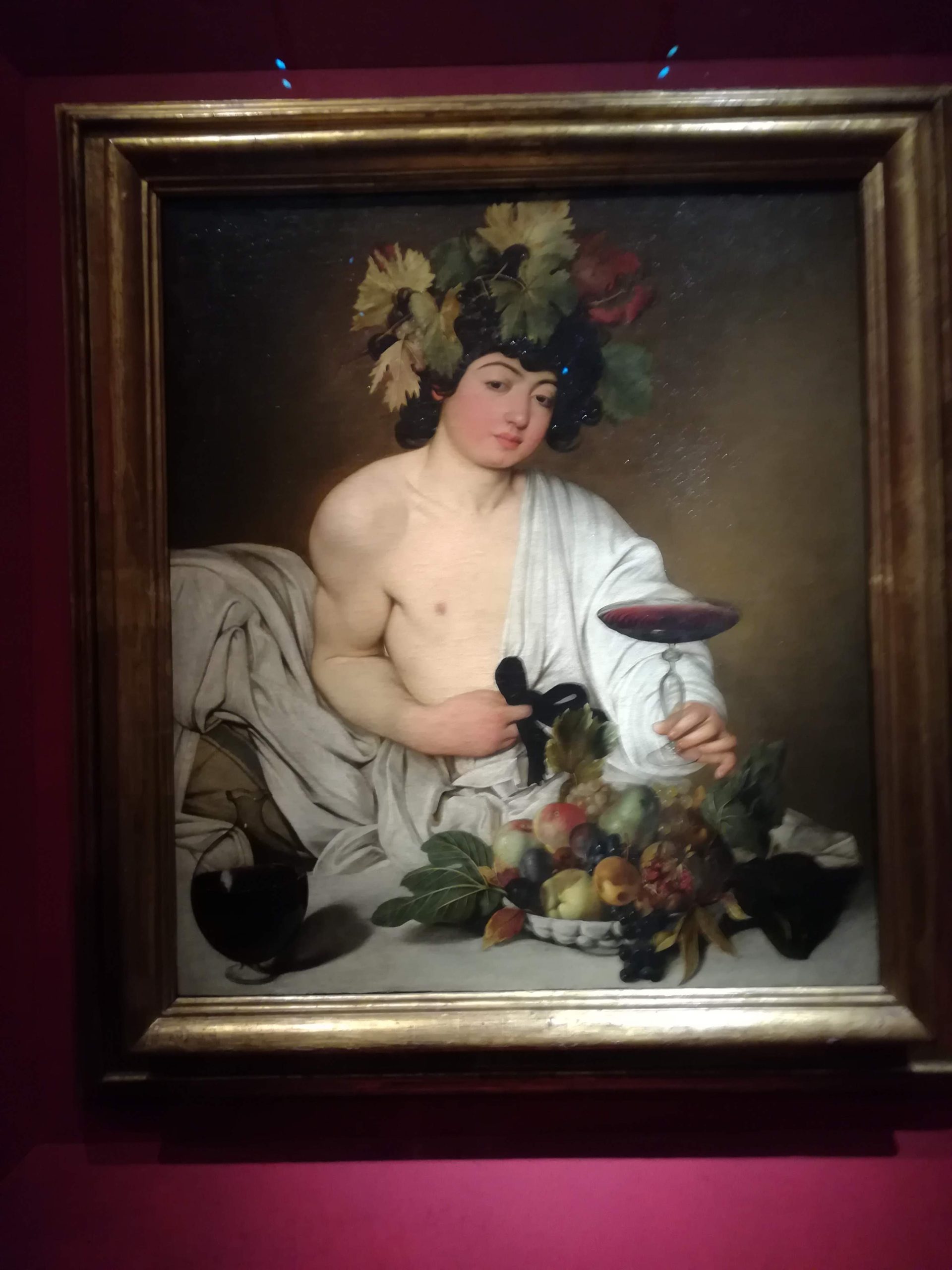
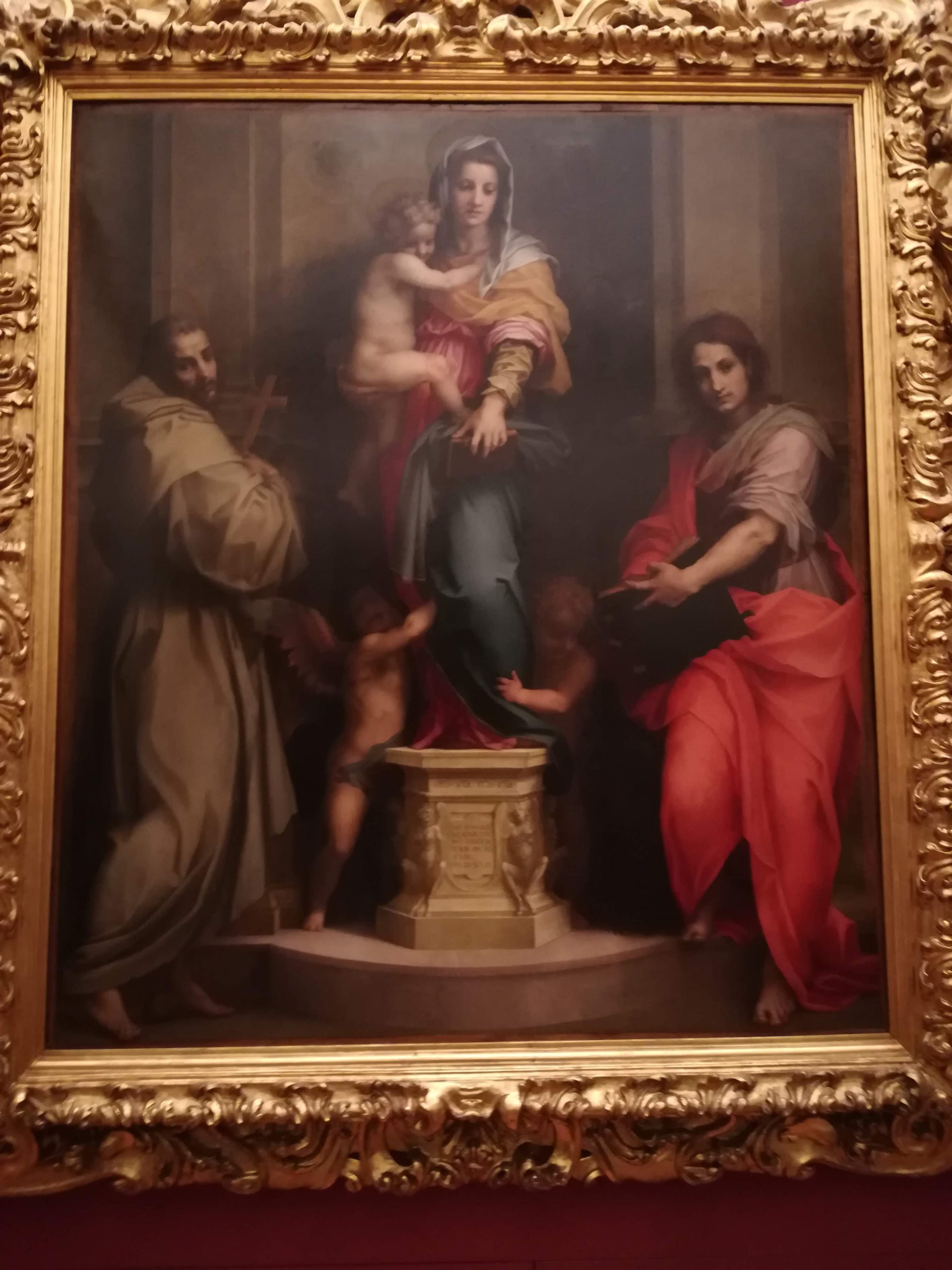
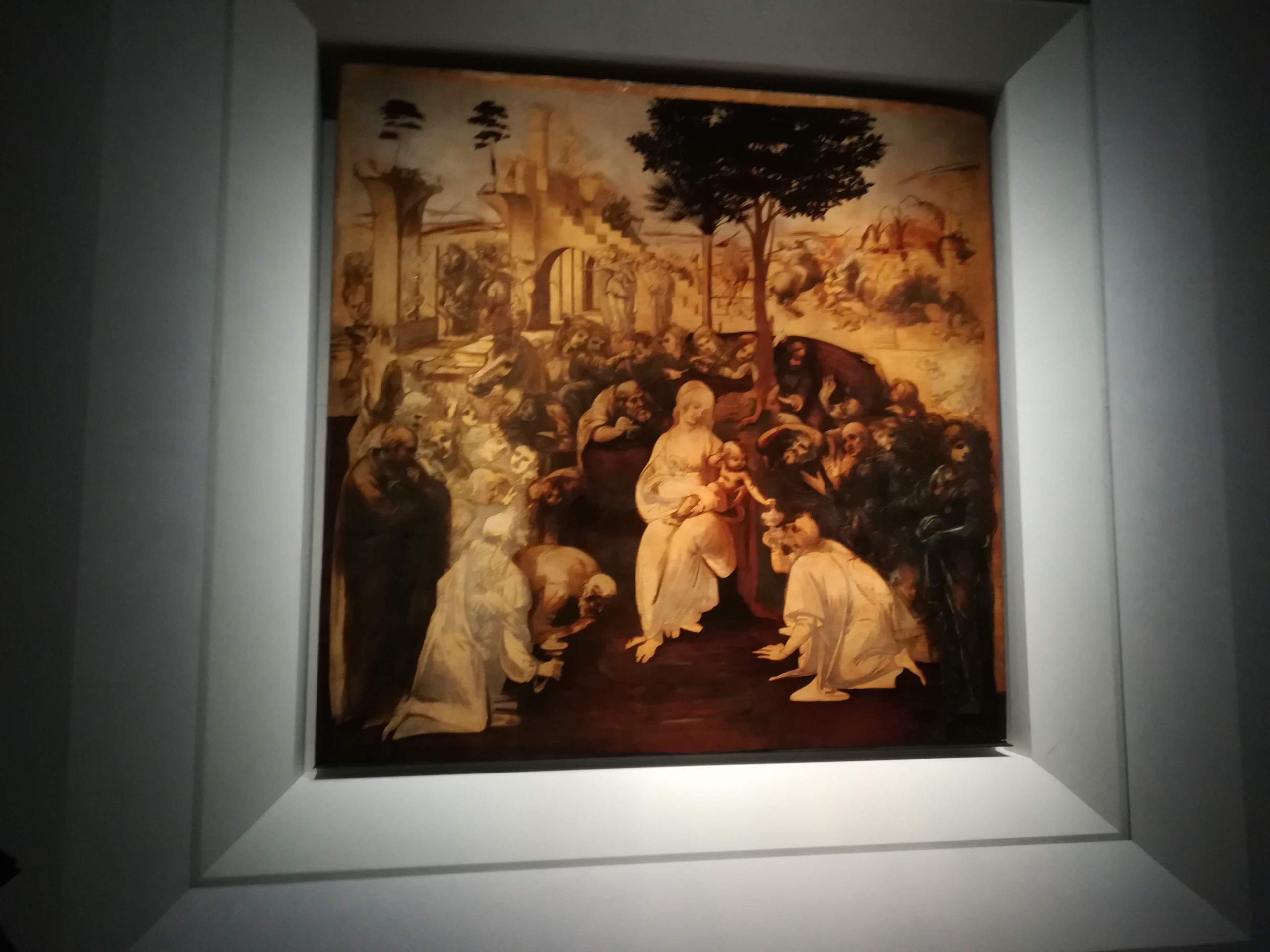
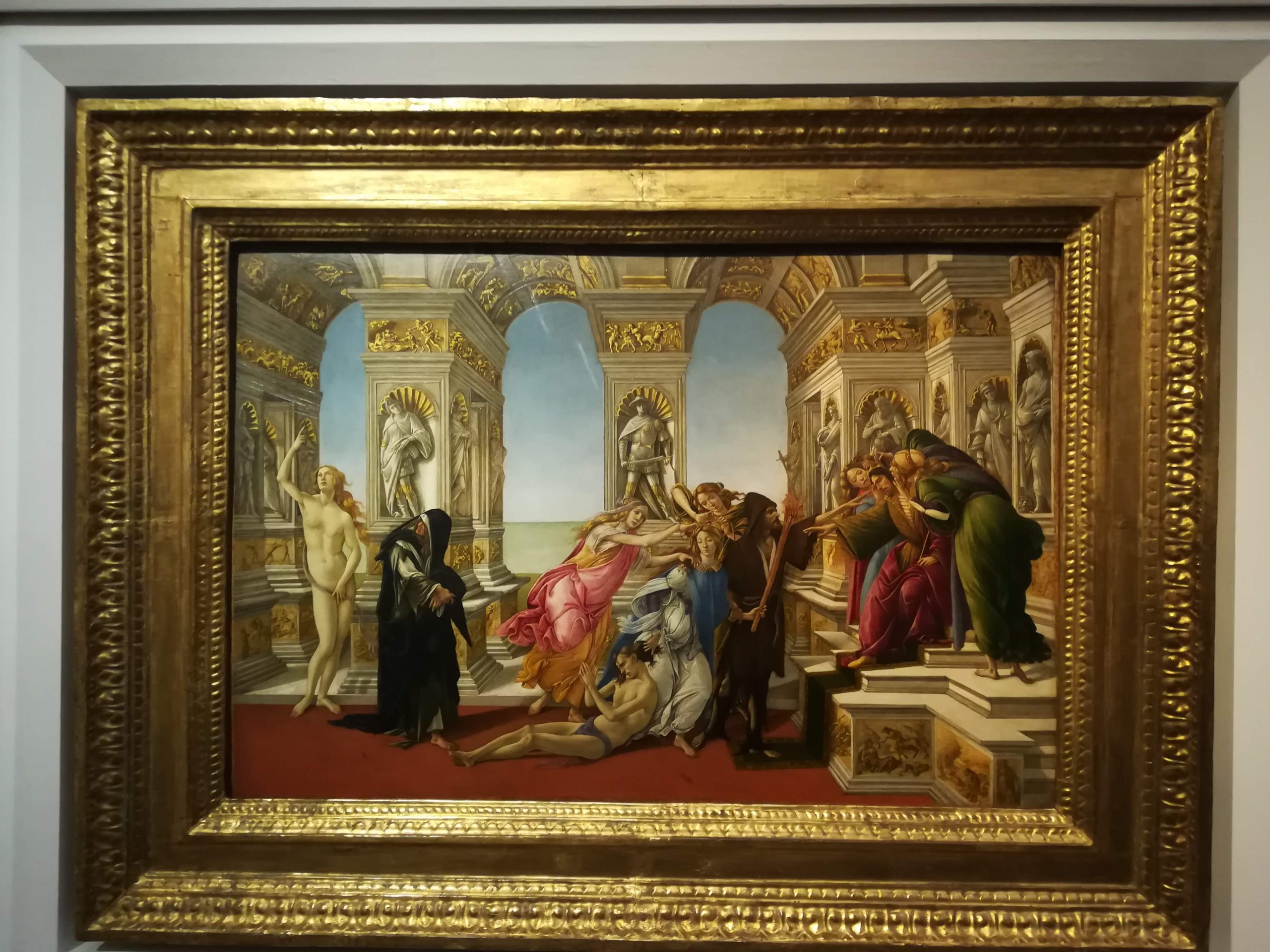
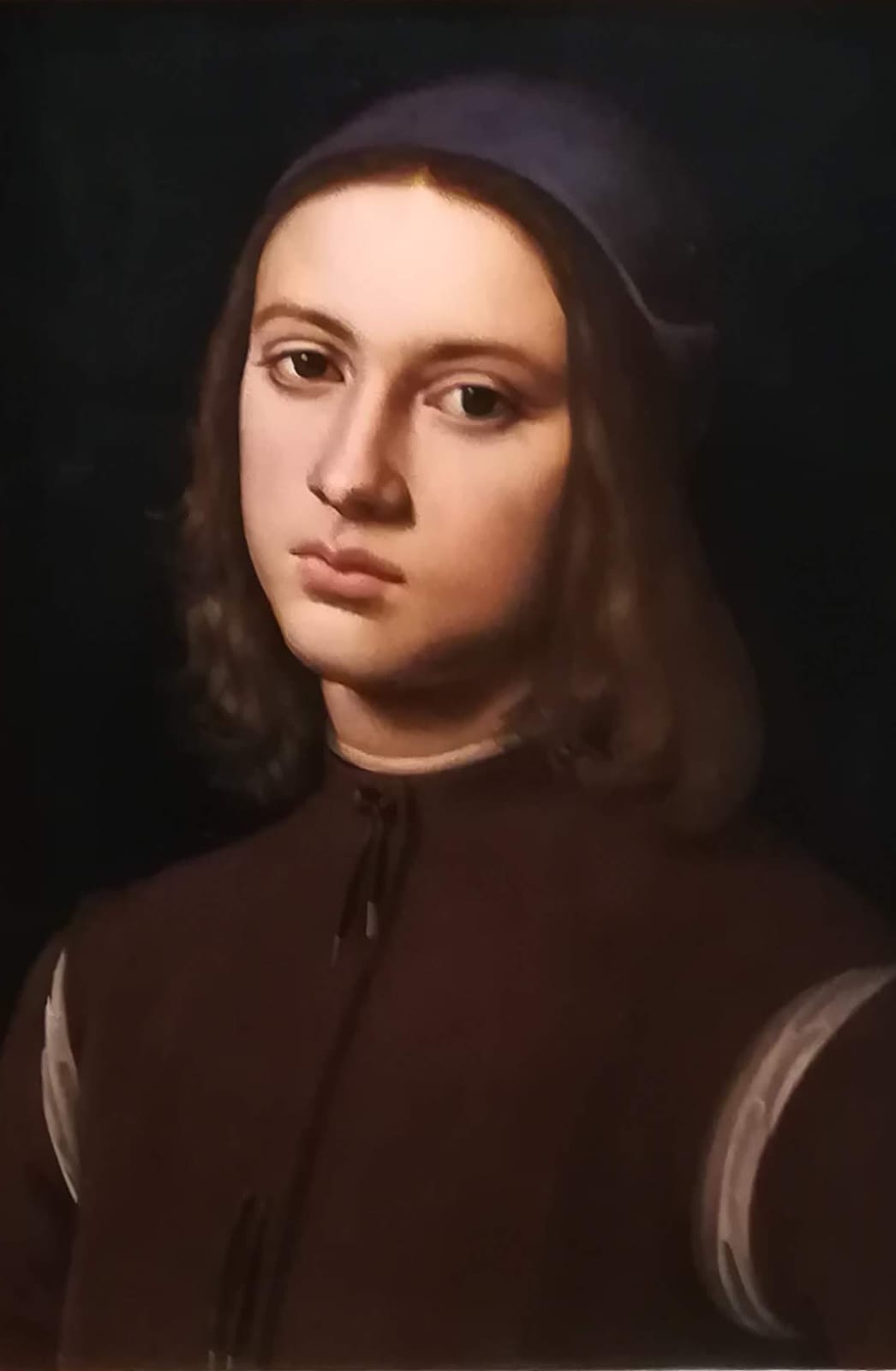
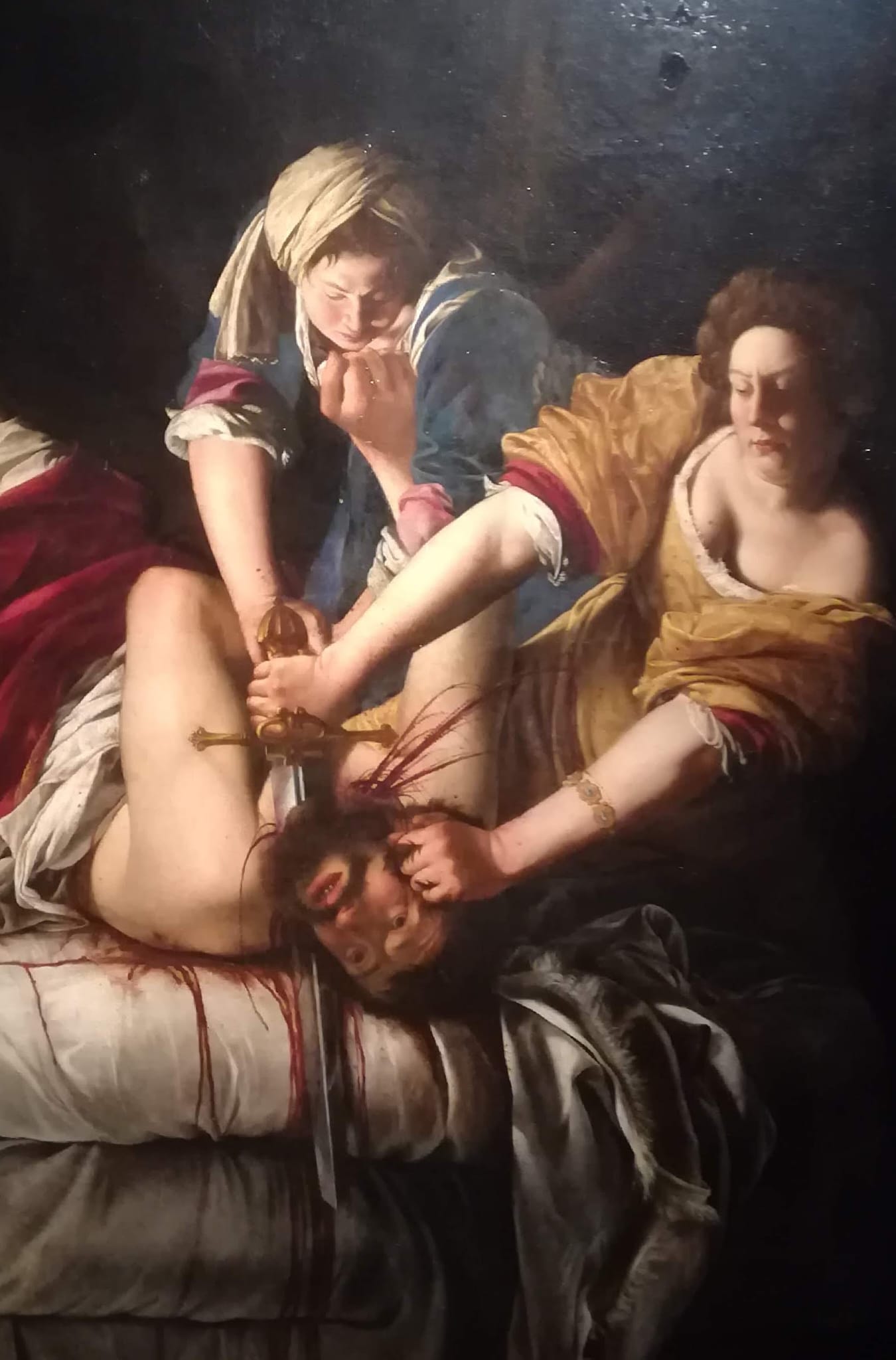
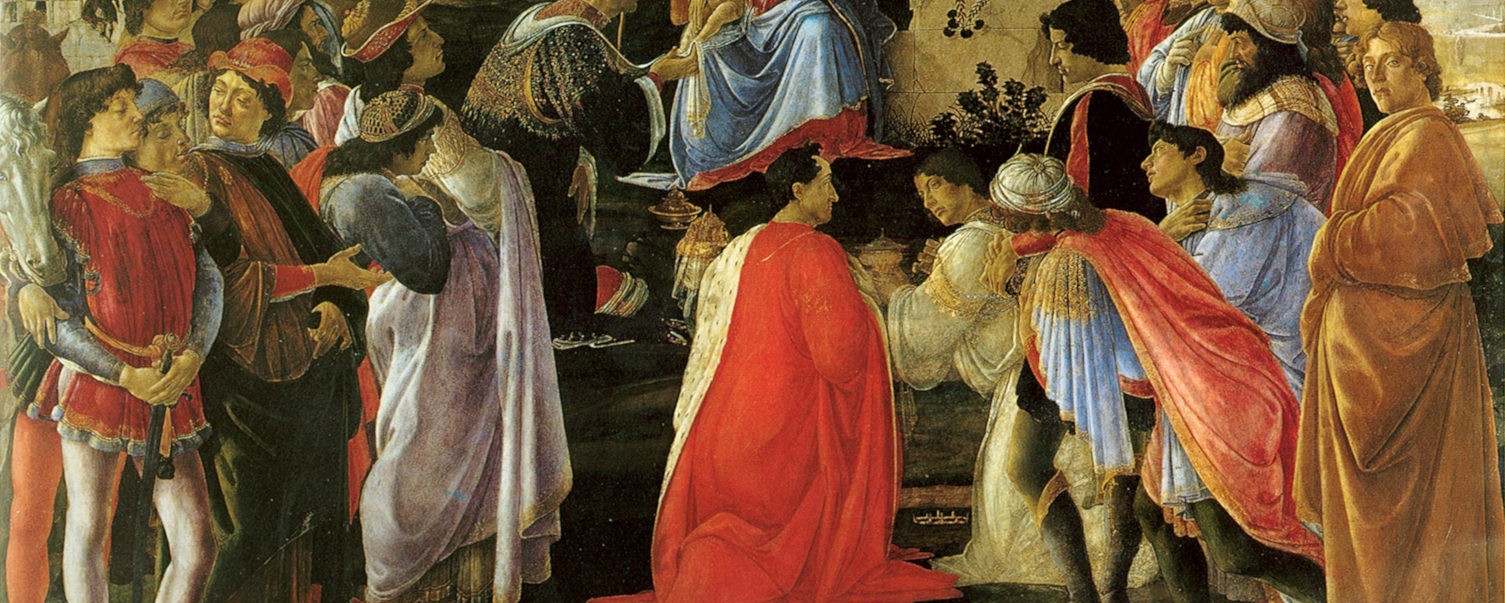
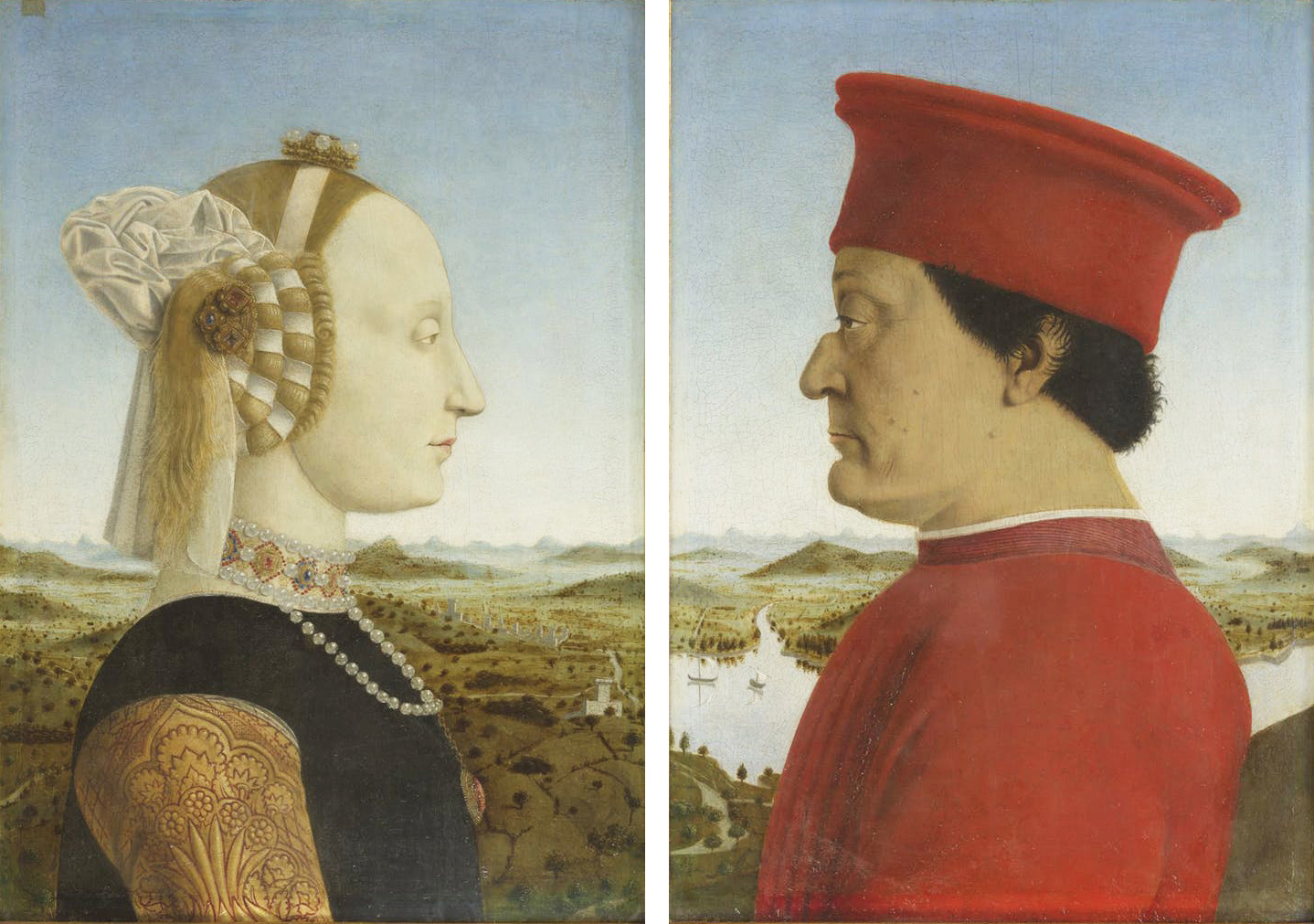
A visit to the Uffizi Gallery in Florence feels like stepping into the very soul of art history. The moment you enter this iconic museum, housed in a magnificent 16th-century building designed by Giorgio Vasari, you’re immediately surrounded by centuries of creativity and cultural significance. The Uffizi isn’t just a museum; it’s a journey through time, where each gallery and painting offers a glimpse into the past and a deeper understanding of the evolution of Western art.As you wander through the museum’s halls, you begin with the early Italian masters, whose works mark the beginnings of a new artistic age. The paintings here, like those by Giotto and Cimabue, still carry the spiritual weight of the Middle Ages, but there’s a shift towards more humanistic and naturalistic depictions of religious figures. The “Ognissanti Madonna” by Giotto, for example, signals a departure from the flat, symbolic iconography of earlier periods, introducing a sense of depth and emotion into religious art.As you move further into the museum, the full glory of the Renaissance begins to unfold. It’s in these rooms that you’ll encounter some of the most famous and revered works in art history. The Botticelli Room is one of the most captivating, with “The Birth of Venus” and “Primavera” standing out as quintessential representations of Renaissance ideals. Here, Botticelli’s use of delicate lines and ethereal beauty captures the essence of the era’s fascination with myth, nature, and humanism. You can almost feel the energy of the time—an age when artists were no longer mere craftsmen but intellectuals, pushing the boundaries of what art could express. Leonardo’s “Annunciation” and his “Adoration of the Magi” reveal his groundbreaking exploration of light, shadow, and perspective, while Michelangelo’s “Tondo Doni”, with its powerful depiction of the Holy Family, showcases the artist’s unparalleled understanding of human anatomy and emotion. The graceful “Madonna of the Goldfinch” by Raphael speaks to the artist’s mastery of serenity and beauty, creating a moment of calm in the midst of the dynamic Renaissance period.The Uffizi doesn’t just focus on the Renaissance, however. As you move through the galleries, you’ll also witness the dramatic shifts in style that came with the Mannerist and Baroque periods. Artists like Pontormo and Rosso Fiorentino bring a sense of emotional tension and sophistication to their work, often using exaggerated proportions and distorted forms to evoke a sense of unease. These pieces are a stark contrast to the more balanced compositions of the High Renaissance, reflecting the intellectual and social unrest of the time. In the Baroque rooms, Caravaggio’s medusa takes you into a world of intense realism and raw emotion, where light and shadow create a dramatic narrative that feels almost cinematic in its impact.Throughout the museum, each painting tells a story—whether it’s the mythical figures of ancient Greece or the religious devotion of the Middle Ages, or the passion and drama of the Baroque. The Uffizi isn’t just a collection of beautiful artworks; it’s a cultural narrative that takes you through the intellectual and emotional currents of history.
duration: 2h
tour price: starting from 250
when: every day except on mondays
HAVE A LOOK AT OUR PHOTO GALLERY
If you want to book a tour with us, ask for further information, require any more details, please do not hesitate to contact us, we will get back to you as soon as possible. we will try to make your travel experience extraordinary.
Do you want to reach out to us? You can choose how
ONLY PRIVATE TOURS